Do you agree? – “Our personal and professional lives are melding, erasing the distinction between work and leisure hours.”
As both a Life Wellness and Career Coach, I see Work-Life Integration as one of the most important trends that influences how we live, work, and plan pour futures. This career and workplace trends blog explores this global trend, share ideas about what it means for your career and life planning now and in the future.
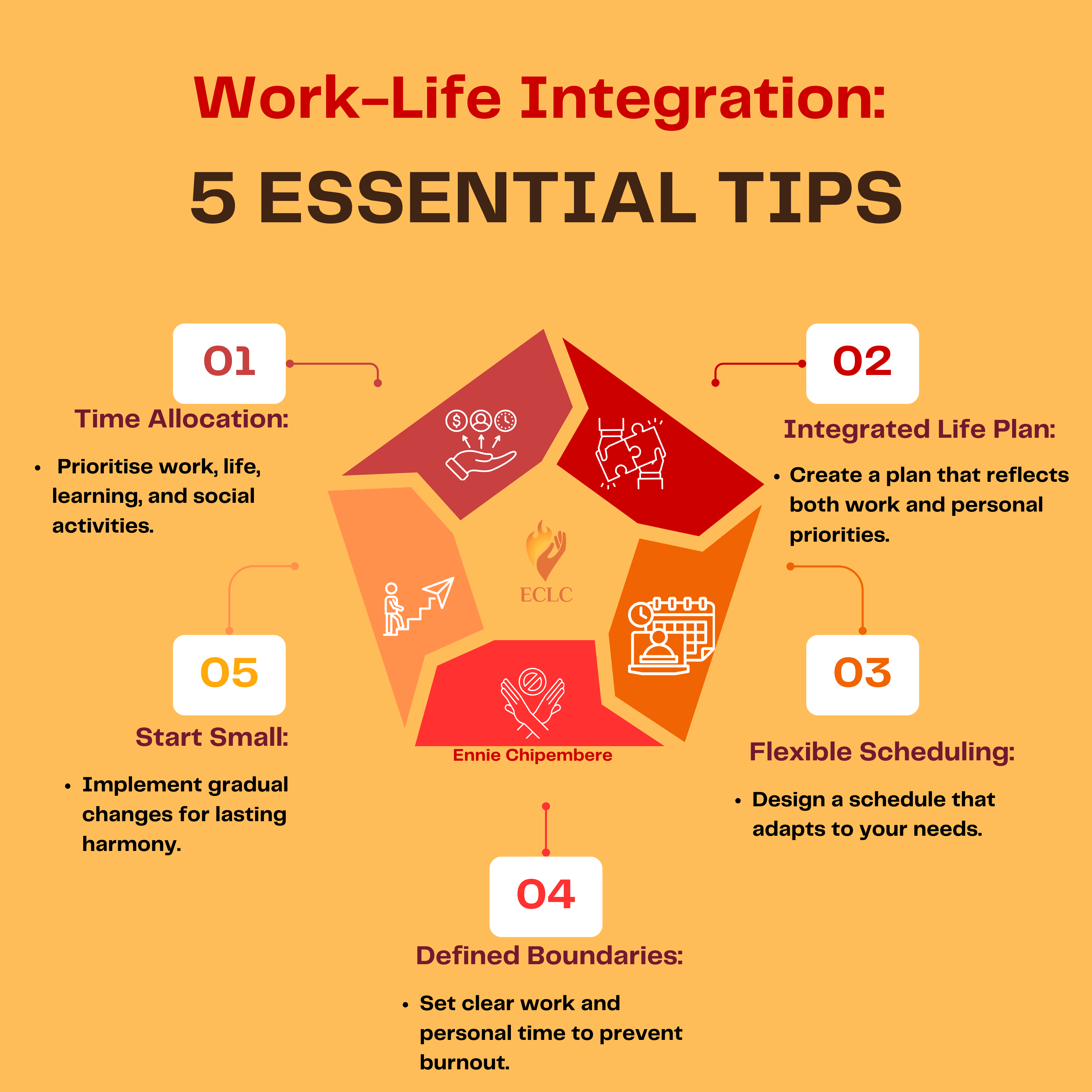
From Work-Life Balance to Work-Life integration – weaving our lives into a meaningful whole
Traditionally, work-life balance suggested drawing a clear line between job demands and personal life, often illustrated as a scale. In reality, this model often felt unrealistic, as people struggled to “balance” time between competing demands.
Today, the focus has shifted to work-life integration. Instead of trying to separate the personal and professional/work, integration recognises that all our roles (whether paid or unpaid), at work or at home are deeply interconnected. This is illustrated in the diagram of a scale: [SOURCE:] https://haas.berkeley.edu/human-resources/work-life-integration/
This approach embraces a more holistic definition. of a career. this is not just what you do for a salary, but it includes all the roles that you play across life. Work-life integration encourages both individuals and organizations to view life as a web of interdependent parts, rather than siloed domains.
[READ MORE] https://www.reed.co.uk/career-advice/what-is-work-life-integration/
At the core of work-life integration there is a connection to wellness and well-being. Well-being is the state of being comfortable, healthy or happy and Wellness is the state of being in good health and fulfilment. These two concepts are used interchangeably and they form the foundation of the 10 Dimensions of Wellness, which guide a more integrated approach to living and working:
- Spiritual wellness – belief in a higher power
- Emotional wellness – coping effectively with life
- Physical wellness – investing in exercise and health
- Intellectual wellness – creativity, expanding knowledge and skills
- Financial wellness includes – finding and using financial resources well
(5a) personal financial and life management
(5b) business management or side hustle development,
6. Career wellness (occupational are – work/job) – work that is meaningful
7. Social wellness – relationships and support systems
8. Environmental wellness – space you live in; social contribution to help others, your community and the environment.
9. Digital wellness
10. Mental wellness

The wellness areas depicted above cover both what is traditionally as “personal” and “work” in an integrated and meaningful whole. For career and life planning, one is encouraged to use this framework as it serves as a practical guide. Areas of priority will naturally shift year by year, monthly, weekly, or even day by day depending on many variables such as age, location, resources, family needs, personal needs, support systems etc. Therefore, this makes your plan and actions uniquely personalized.
The key takeaway from this emerging trend is simple yet powerful: think of your life as a meaningful and connected whole that is interwoven, interdependent and to feel aligned, “dance” amongst the 8 areas depending on the pressures and needs facing you, and your priorities.
Trends Source: Turn and Face the Strange – Changes Impacting the Future of Employment in Canada
This influential report from the Brookfield Institute in Canada is one of the key sources for this trend we are looking at today on Work-Life Integration. The authors provide fascinating information about the work-life balance, workplace issues and how this reshapes people’s lives. While the report is on Canadian context, it is globally relevant with lessons that apply across geographies and industries. Their main message is:
“The workday may no longer be defined by specific hours and days, and instead is intertwined with all parts of life. Individuals may design their own careers, with a focus on flexibility, and may have an employer for three days a week while also maintaining a side business (or two). With this shift will come a greater reliance on self-management, as workers need to balance competing responsibilities.”
Key ideas highlighted in the Brookfield Institute report outline several important themes shaping the future of work:
- Work-Life Balance – this is a source of high dissatisfaction and concern for many employees.
- Sabbatical – both paid and unpaid sabbaticals are being offered by employers as a retention strategy to help reduce employee burnout (e.g. every 5 years).
- Flexi-work – flexible work schedule results in more satisfaction with work-life balance. Flexi-work arrangements can be adjusting working hours and days or compressed 4-day work weeks.
- Generational differences – millennials and GEN Z expect employers to address practical needs such as balancing family with career, education, retirement planning, and alignment with personal values.
- Remote working – the “bums on chairs” office culture is fading away as remote work; telecommuting, and location-flexibility are becoming more the norm.
- Companies focus on Work-Life Balance – employers are increasingly adopting work-life balance policies, such as disabling email servers during evenings and weekends, promoting family time, and launching wellness campaigns.
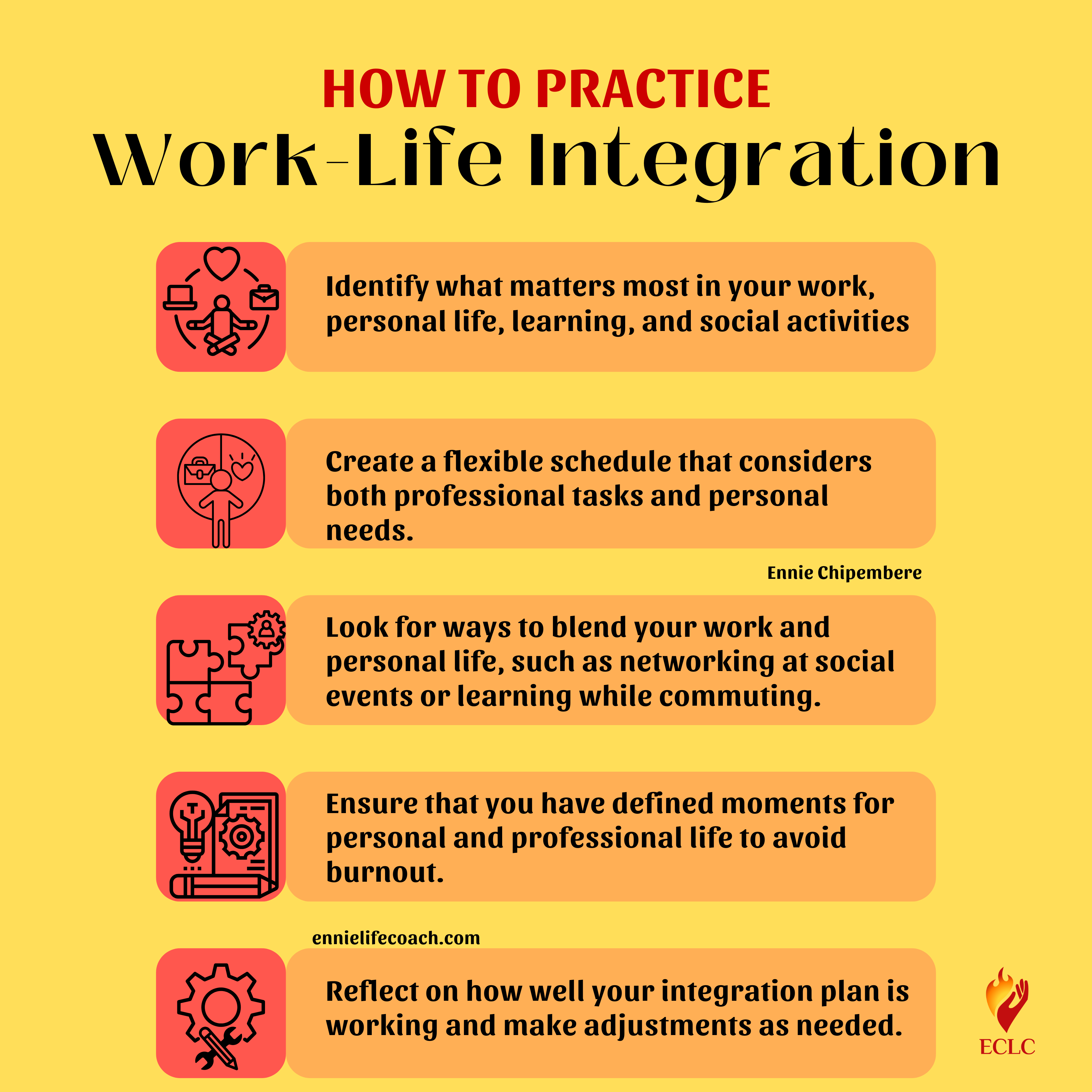
Year 2030 Key Implications and What you Could be Doing NOW
The Turn and Face the Strange report (Brookfield Institute) outlined five important implications of work-life integration by 2030. These insights are even more relevant today.
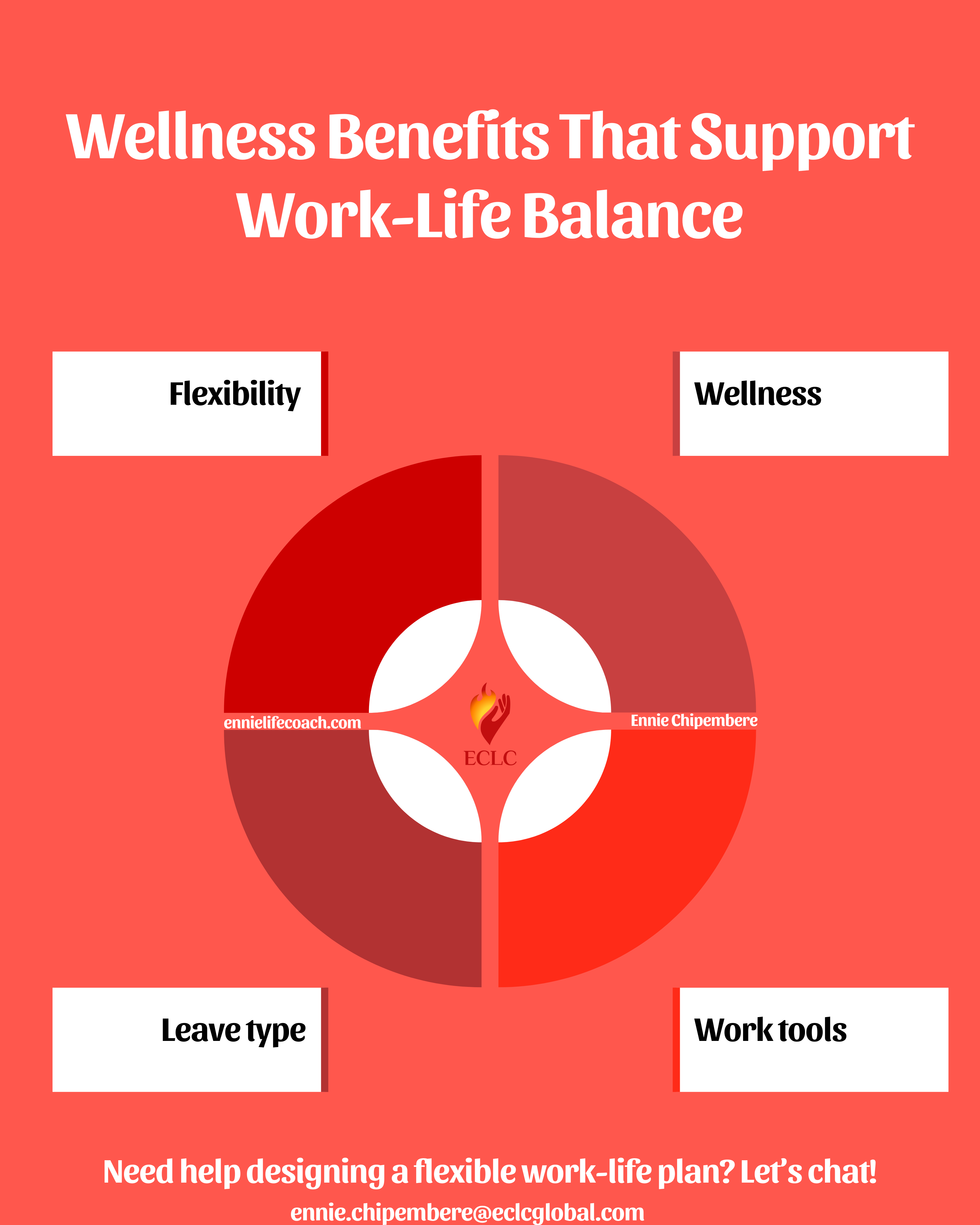
IMPLICATION 1 – Life Wellness and a High pressured “work week” –
“The work week could be unrelenting with personal and professional obligations designed to meet each worker’s needs.”
What you should be doing: Adopt a holistic wellness approach in life-career planning.
You can use the 10 Dimensions of Wellness listed above a tool of self-assessment. Use it to identify areas for improvement and create a plan that balances your unique needs.
IMPLICATION 2 – Full-time employment MAY NOT BE THE default for all
“Full-time employment with employer benefits could no longer be the default.”
What you should be doing – Shift your mindset. Explore side hustles, freelance projects, or multiple income streams. Building diverse career paths ensures resilience in a rapidly changing job market.
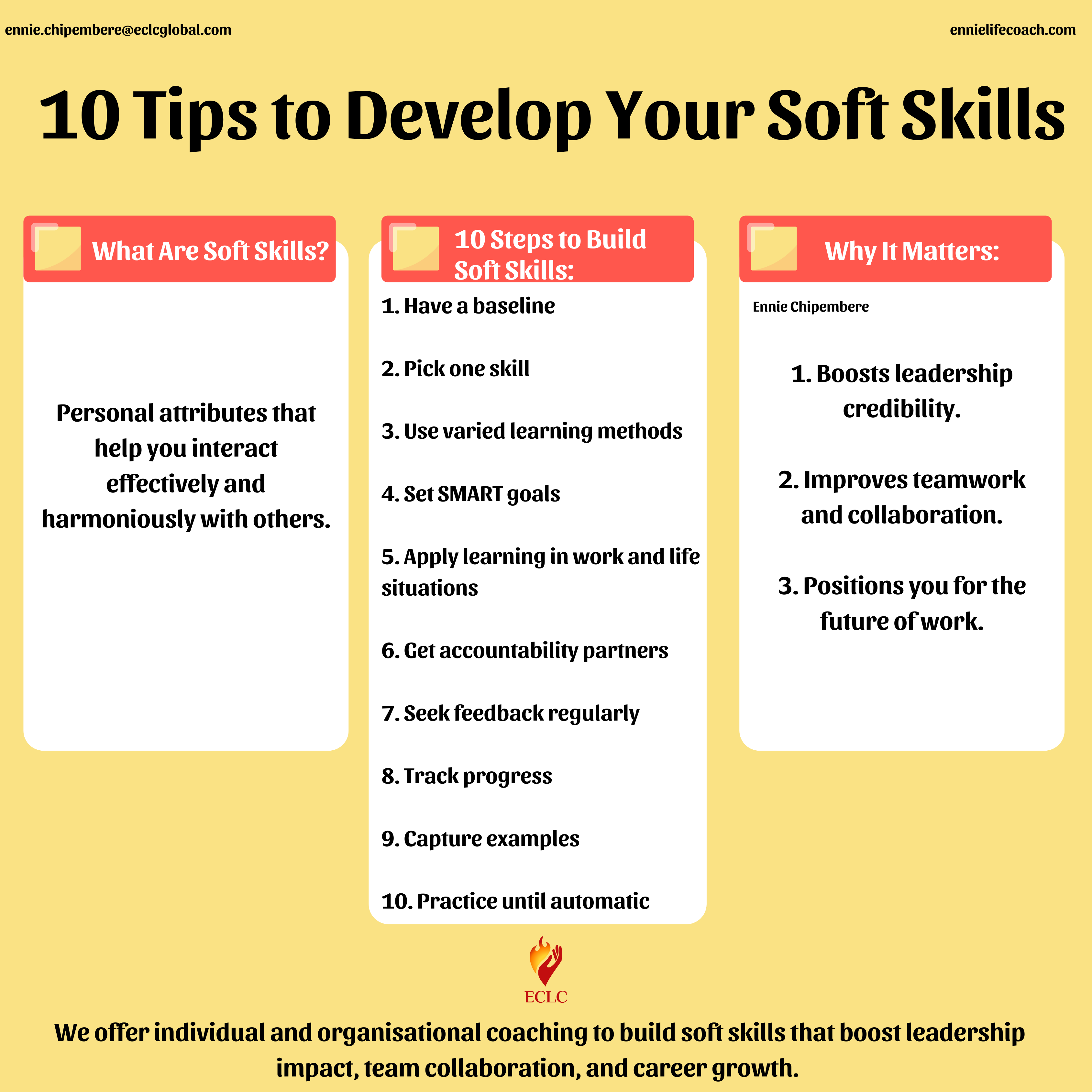
IMPLICATION 3 – Self-management IS ESSENTIAL
“There could be greater self-directed and individual-based work as Canadians navigate competing responsibilities between work and personal responsibilities.”
What you should be doing or thinking about – Invest in soft skills like time management, adaptability, and emotional intelligence. These “self-management” skills are now as critical as technical expertise. (Use the diagram below for ideas)
IMPLICATION 4 – Life-long learning –
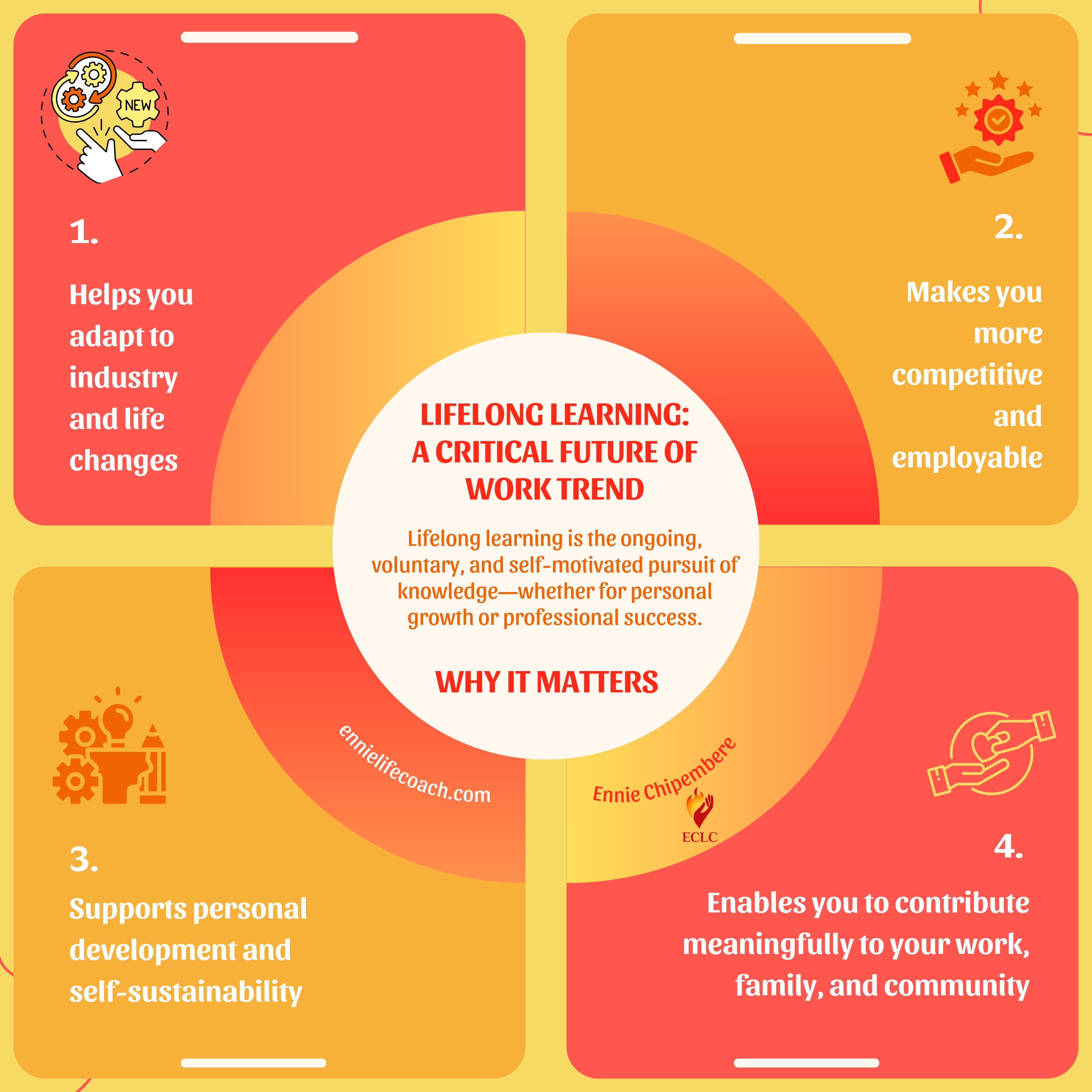
“Professional development could be transferred to the employee and will be accomplished through lifelong learning.” [SOURCE: Turn and Face the Strange Trends Report]
What you should be doing – learn daily using several methods that promote lifelong learning.
IMPLICATION 5 – You are in control of Your Talent
The locus of management and control may move from the employer to the individual, with each “employee” signing up for work they are interested in completing within a given time frame.
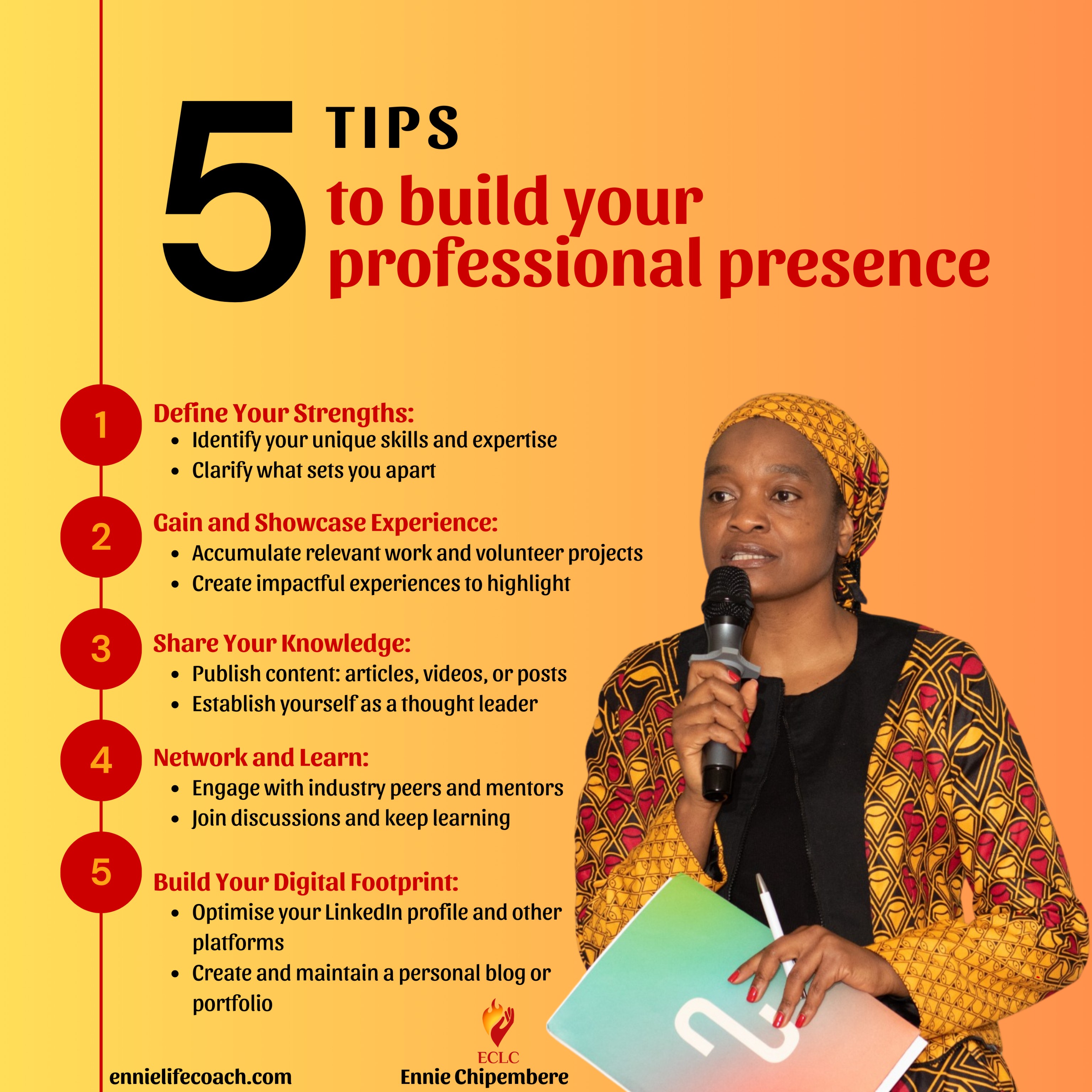
What you should be doing – Design your own portfolio career—a mix of part-time roles, freelance gigs, side projects, and personal ventures. This approach builds both income diversity and personal fulfillment.
In conclusion
Some of these ideas may feel familiar, while others may challenge your current thinking. Either way, they deserve fresh consideration. As we navigate high unemployment, shifting education systems, automation, and AI-driven workplaces, holistic career and life planning is no longer optional, it is essential.
Reflection Question
Do you agree that “our personal and professional lives are melding, erasing the distinction between work and leisure hours”?
-
How is this trend showing up in your own life right now?
-
Which of the 10 Dimensions of Wellness feels most in need of your attention?
JOIN THE COACH ENNIE & ECLC CAREER GROWTH COMMUNITY
Gain access to tools, tips, and a supportive space to explore your values and discover how they align with your life and career journey.
 Join the WhatsApp Community here:
https://chat.whatsapp.com/CI1MEbdzX2G0zMvsZHNvdq
Once inside, join groups that are tailored for your journey:
1. Career Planning, Development and Management
2. Leadership Development and Team Building
3. Wellness-Centred Life Planning and Personal Management
4. NGO Workers: Career Coaching and Advice
5. Job Search and Employability Support

Written by: Ennie Chipembere Chikwema
Coach, NGO Institutional Development Consultant and ECLC Director
E-mail: ennie.chipembere@eclcglobal.com
LinkedIn Profile: https://www.linkedin.com/in/ennie-chipembere-chikwema/
Facebook Page: https://www.facebook.com/EnnieCareerCoach
X: @EnnieChipembere
Discover more from Empowering Coaching, Learning and Consultancy
Subscribe to get the latest posts sent to your email.

One thought on “Work-Life Integration – An Emerging Trend – What does it mean for Your Career Now and in The Future?”