
Work arrangements and career pathways have been left untouched by the technological revolution. Advances in digital transformation have disrupted industries, reshaped jobs, and altered the very rhythm of daily life. As a result, career paths are no longer linear nor do they neatly end at a fixed retirement age of 65.
Retirement itself has evolved. What was once seen as a period of rest, leisure, and “declining economic contribution” has, for many, become what is now called working retirement. Depending on one’s context, particularly in advanced economies where people live longer and healthier lives, there is a growing need or opportunity for individuals to remain economically active well beyond traditional retirement age.
This shift has disrupted long-held life patterns. It highlights that career planning and management are now lifelong commitments, not tasks confined to early or mid-career phases. Developing a deep understanding and practice of the career management competency “changing and growing throughout life” has therefore become more important than ever.
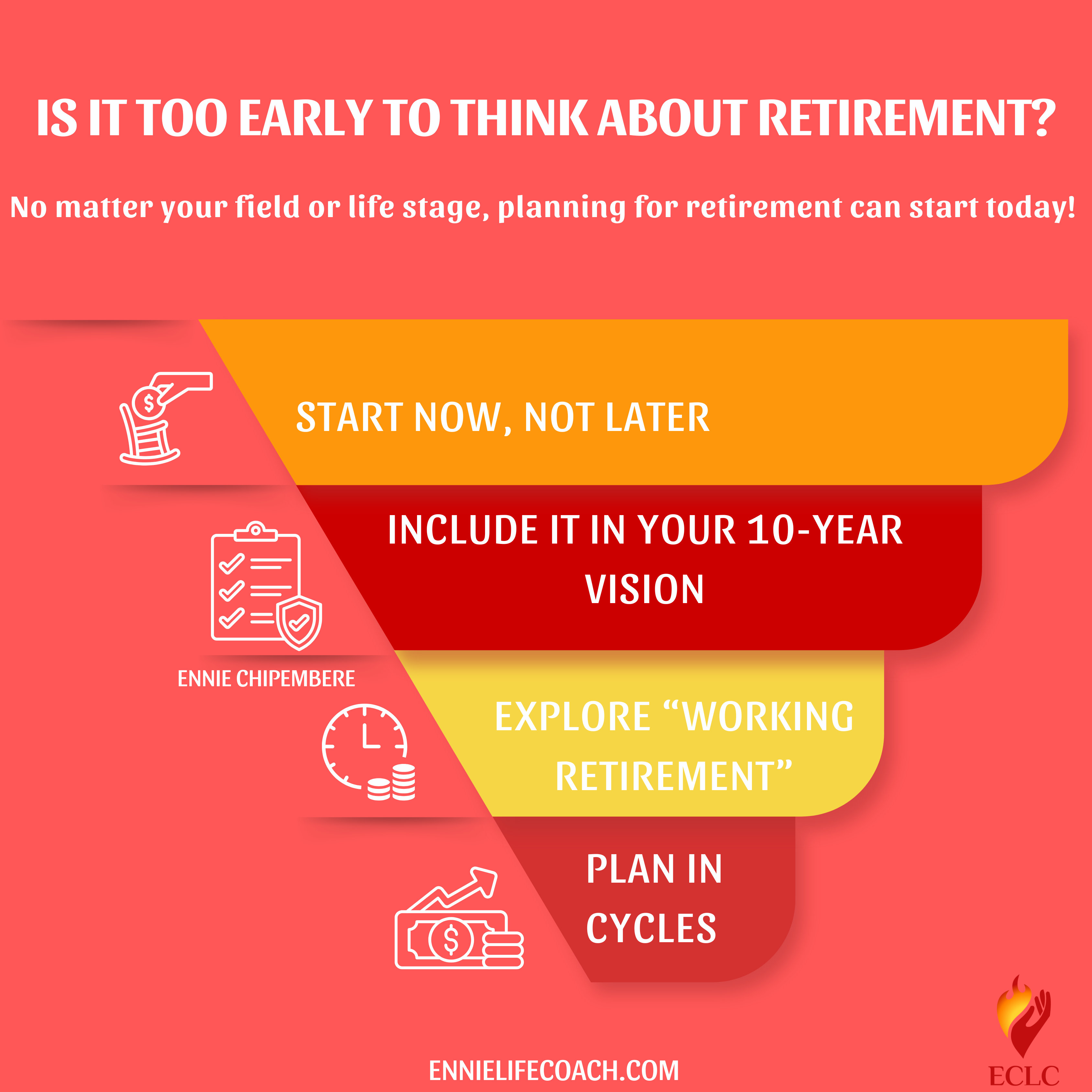
Working Retirement – What is it?
Longer careers and the concept of “working retirement”
have emerged as defining trends in today’s world of work. In the past, a person typically spent most of their life employed full-time by a single organisation, progressing steadily until retirement. Once someone reached senior leadership or accumulated many years of service, they were seen as having “earned the right” to slow down. Learning and development were aligned with gradual changes in responsibility, and there was little pressure to upskill or reskill rapidly.
Retirement marked a clear boundary, an exit from economic activity and a shift toward rest and social engagement. Today, however, the context is different. People are living longer, healthier lives and choosing or needing to continue working beyond 65, giving rise to the term working retirement.
Disrupted Career Pathways – Key issues
Jack X (not his real name) had always envisioned himself in full-time employment until a well-planned retirement. However, finding himself “transitioned” out of his role in his mid-50s came as a shock. Organisational restructuring, new digital skills requirements, the rise of super jobs that combine multiple competencies, and intense competition for fewer positions forced him to rethink his career.
Despite his years of expertise and leadership experience, Jack found that his specialisation no longer guaranteed security. He now faces the challenge of rebuilding his professional identity, leveraging his experience while learning entirely new skills.
Jane Y (not her real name) worked for over six decades before officially retiring. Yet, she found herself still economically active due to ongoing family responsibilities. To manage, she launched two small entrepreneurial ventures aimed at both survival and consumption.
In many developing economies with high youth unemployment and limited social welfare, older adults like Jane continue to carry financial and caregiving responsibilities. Declining public sector spending has shifted the burden of care from governments to individuals, leaving many unable to disengage fully from work and enjoy a traditional retirement.
(Deloitte Human Capital Trends, 2018)
Both Jane and Jack have experienced a destabilisation of self-concept and life stability. Donald Super’s Career Development Theory (1953) describes self-concept as the beliefs we hold about ourselves—how we see ourselves, how we wish to be seen, and how others perceive us. This self-concept evolves with each life stage and is shaped by experience.
(CareerPro Canada)
The disruption of linear career progression has been particularly challenging for Baby Boomers (born 1946–1964) and Generation X (born 1965–1976), who often face:
- Destabilised self-concept (affecting self-esteem and confidence)
- Difficulty adapting to digital technologies
- Limited responsiveness to upskilling and reskilling demands
- Challenges in reinventing careers and competing with younger, tech-savvy colleagues
- Age discrimination and intergenerational workplace tensions
- Continued family and financial responsibilities
The question remains: How can people effectively manage these evolving realities?
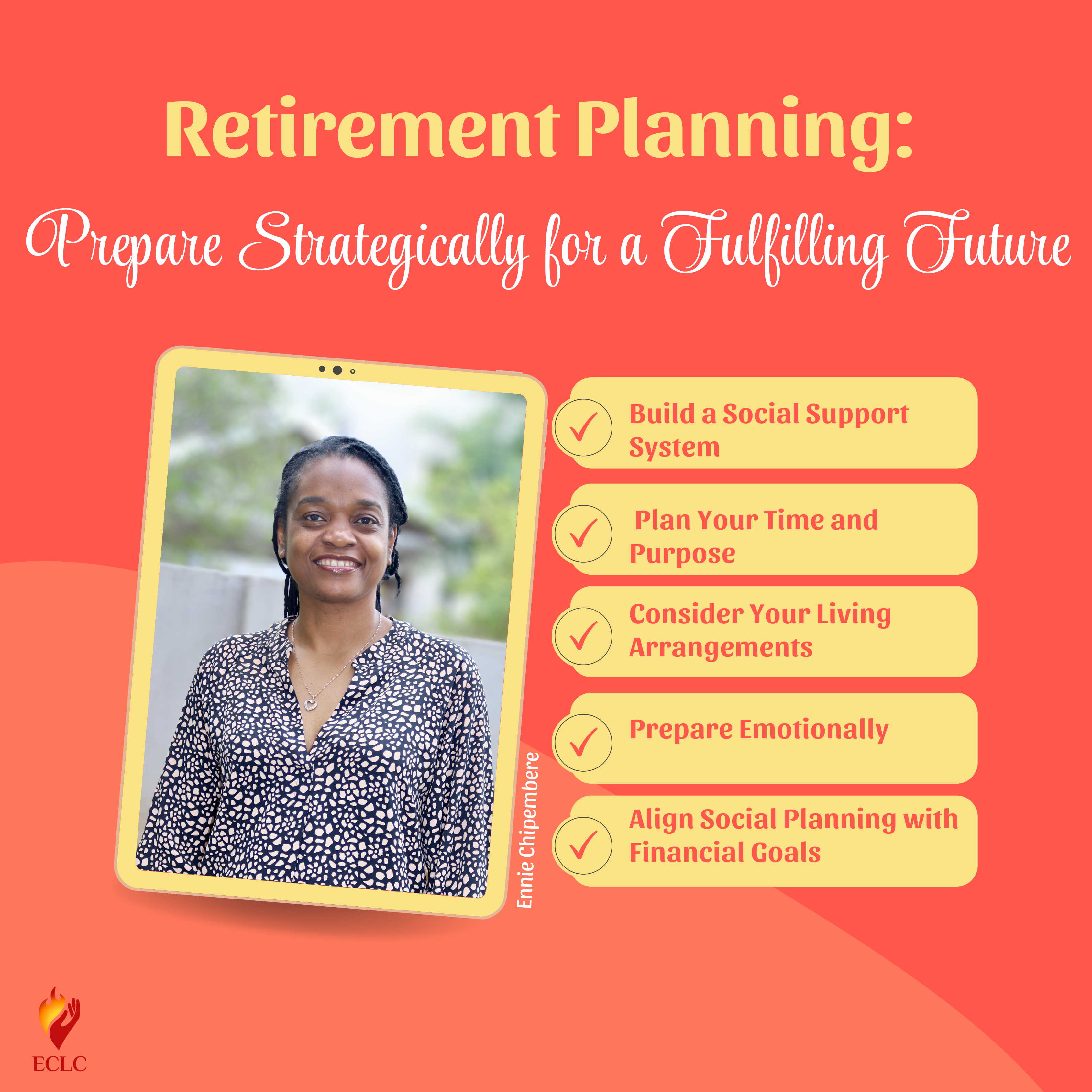
Managing Career Transitions – Disrupted Career Pathways and the Working Retirement Trend
Nancy Schlossberg’s Transition Theory (1989) offers a useful framework to help internalize and manage these career and life transitions at specific moments. “Transition theory is the analysis of life changes and strategies to measure or control severity of the transitions. This theory states that life is characterized by an ongoing series of transitions (changes in roles, relationships or routines) that have varying degrees of impact on different individuals. Success is dependent on how well individuals are able to cope effectively with the change.” https://careerprocanada.ca/applying-career-development-theory-2/
There is a direct connection between life and career transitions. There are many that we all go through during a long career that are important to consider.
- Life transitions – from birth to decline
- Life traumatic events
- Starting a new job
- Promotion and growth
- Role or job changes
- Taking up an education commitment
- Ceiling roles – disengagement and unfulfilled
- Job loss – voluntary resignation or involuntary situation (fired, retrenchment, retirement)
- Long-term unemployment
- Forced retirement
- Working retirement
- Starting a business venture
The list is not exhaustive, and you can add a few of your own. Nancy proposed the 4-S model to describe the four parts to a transition:
- “Situation – a transition is triggered by a situation
- Self – the individual copes with transition using their strengths and experiences
- Supports – the people and resources available to help deal with transitions
- Strategy – a plan to get through and past the transition”
You can use this 4-S model to reflect on a past or current transition, and make use of the following tips as well as part of managing them.
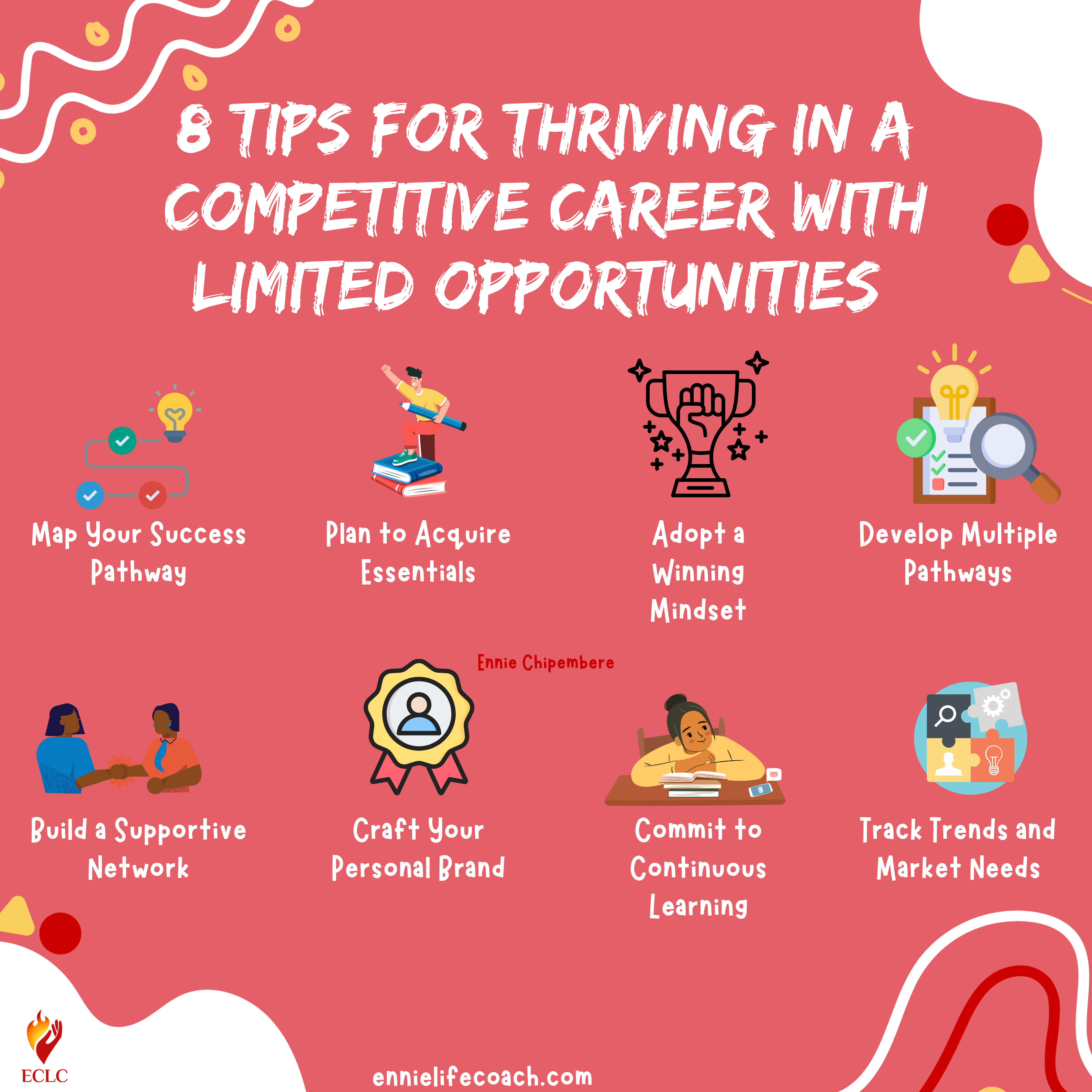
10 Tips for Managing Disrupted Career Pathways and the Working Retirement Trend
- Mindset shift. This is the new normal. Strengthen competencies linked to managing change, adaptability and leading self/personal management.
- Declutter your Career Story and CV – streamline your expertise and new areas in line with current trends.
- Identify core strengths – innate abilities; hard won technical expertise and soft skills to package and market yourself in new opportunities.
- Develop multiple career pathways – look for companies that are making an effort to tap into the older talent pool (50s, 60s and 70s) using adjusted career longevity models.
- Practice lifelong learning – continuous upskilling as well as an investment in reskilling; keeping in touch with trends is key.
- Get structured career transition support – work with a professional Career Coach or Advisor.
- Strengthen and expand your network – both the social and professional one for support.
- Build your profile and brand to coalesce around a few areas – note the importance of online presence and engagement.
- Take advantage of new trends – the gig economy, flexi working, telecommuting, portfolio careers, increased focus on entrepreneurship etc
- Build resilience you are in for the long haul – so focus on wellness especially mental, emotional and physical health; manage stress and seek help.
In conclusion – technology, changing workplace arrangements and high unemployment has had a commensurate impact on career pathways, length of careers and a changed context of retirement. How you prepare for, equip yourself and manage those career transitions will be the difference maker in the long run.
Reflection Question
How might you begin to redefine your own career story—not as a straight line ending at retirement, but as a lifelong journey of growth, reinvention, and contribution?
JOIN THE COACH ENNIE & ECLC CAREER GROWTH COMMUNITY
Gain access to tools, tips, and a supportive space to explore your values and discover how they align with your life and career journey.
 Join the WhatsApp Community here:
https://chat.whatsapp.com/CI1MEbdzX2G0zMvsZHNvdq
Once inside, join groups that are tailored for your journey:
1. Career Planning, Development and Management
2. Leadership Development and Team Building
3. Wellness-Centred Life Planning and Personal Management
4. NGO Workers: Career Coaching and Advice
5. Job Search and Employability Support
 Written by: Ennie Chipembere Chikwema
Coach, NGO Institutional Development Consultant and ECLC Director
E-mail: ennie.chipembere@eclcglobal.com
LinkedIn Profile: https://www.linkedin.com/in/ennie-chipembere-chikwema/
Facebook Page: https://www.facebook.com/EnnieCareerCoach
X: @EnnieChipembere
Discover more from Empowering Coaching, Learning and Consultancy
Subscribe to get the latest posts sent to your email.
