

To get ahead in life and work—and to access and make use of opportunities—you need both a network and the ability to network. In this article, I explore several interconnected concepts: career, networking, career networking, the hidden job market, opportunities and the importance of building a strong social and professional network. I also outline the 15 key roles that should be part of your network and provide examples of what can be found in the opportunities market. I conclude by highlighting how your social network and life roles contribute to both your career and personal development. The practice of career networking is a vital workplace trend to pay attention to, as it has become increasingly critical in today’s rapidly changing and highly competitive world of work and life.
What is a Career?
Whenever I write or talk about careers, I like to begin by reminding listeners and readers that a career is the sum of all the different types of work you engage in, both paid and unpaid. It includes what you do at work or in a job, at a place of employment or in your own business, as well as voluntary and community work, education-related efforts (such as studying), or social contribution work, and the work involved in managing a household, nurturing or caring for a family. When we understand a career as encompassing both life roles and work roles, it raises an important question: How then, do we define career networking?
What is Networking and Career Networking?
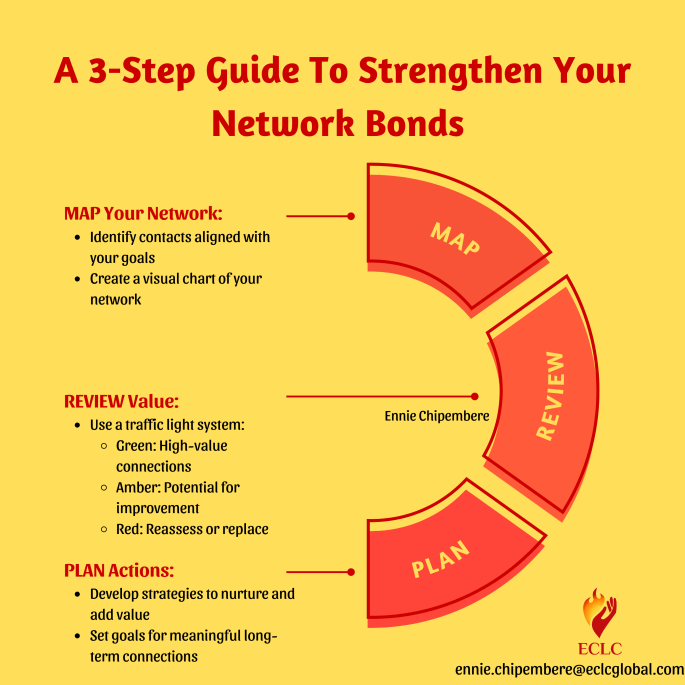
Networking is the process of building and nurturing connections with a diverse range of people in your life, with a focus on creating mutually beneficial relationships. Career networking, more specifically, involves developing and leveraging on connections and relationships in your Social and Professional Network (SPN) to support and achieve your career goals. Networking offers numerous benefits, from gaining industry insights to uncovering new opportunities and receiving valuable guidance.
READ MORE HERE: https://www.michaelpage.com.au/advice/career-advice/career-progression/benefits-networking

What is a Social and Professional Network?
A Social and Professional Network refers to a map and pattern of mutually beneficial relationships and connections that form around you—relationships you can draw on to achieve your life and work goals. Research suggests that your SPN should include at least 30 active relationships across key roles. There are 15 distinct roles that ideally make a well-rounded SPN as listed below:
Professional Network roles (12):
- Connector – Someone who knows a lot of people and helps you make new connections within your network.
- Boundary Spanner – A person who links you to other networks that are otherwise disconnected from your own.
- Peripheral Specialist – An expert with specialised knowledge who may not be well-connected in your network but brings unique value that others need.
- Expert Practitioner – Recognised expert in your sector or field of interest, often found in Communities of Practice or Professional Associations.
- Mentor – Someone who has already achieved what you aspire to achieve and offers guidance based on experience.
- Coach – A thinking and accountability partner accompanying you to achieve your goals.
- Advisor – A person you consult for specific personal or professional advice.
- Sponsor – A key decision-maker who advocates for you at leadership or decision-making levels, promoting your ideas, interests or access to resources.
- Promoter – This person is your champion in various spaces and to others. They raise your visibility/profile and build your personal brand.
- Inspiration partner – Someone who sparks new ideas, offers creative input, and keeps you motivated.
- Accountability partner – A person dedicated to helping you stay focused and committed to your goals.
- Peer collaborator – A colleague or partner you can rely on for collaborative projects or shared work.
Social Network roles (3)
These roles are not about the number of people but about closeness and trust. Individuals in these roles play any of the 12 professional roles above. These are protective and supportive relationships.
- Friend(s)
- Family Member(s)
- Social Group Member(s)
What is the Value of a Social and Professional Network in Short-Term Job Search and Long-Term Career Growth?
In the world of work, job searching and professional advancement, the purpose of career networking is two-fold—serving both short-term needs and long-term goals.
Career networking, also known as professional networking, involves leveraging your personal, professional, academic or familial connections to support your job search, achieve career goals, or explore new fields of interest. Networking is often a powerful way to learn about job openings or gain a strategic advantage within a company you are interested in.
Source: https://www.thebalancecareers.com/top-career-networking-tips-2062604
In the short-term, networking can help you secure a job, consultancy or gig/freelance opportunity. However, the long-term value of networking is encouraged, as it lies in building a strong, reliable network that can support your career growth over time. Developing this kind of network takes intention, time and consistent effort, making it essential to think beyond immediate need and invest in the future.
There’s a significant difference between networking for a job and networking for your career.
- Job networking is typically focused on meeting an immediate or short-term goal. This may or may not support your long-term career goals.
- Career networking is a long-term strategy that involves building relationships or establishing connections that can benefit you throughout your career, cultivating a personal brand, and establishing your presence and reputation in your field. Career networking supports your ongoing development, opens doors as you transition from one role to the next, and helps you grow professionally over time.
What is the Hidden Job Market?
In the professional and business world, one key reality that job seekers and career climbers must understand is the existence of the Hidden Job Market. A striking figure I have come across is that only about 25% of job opportunities are publicly advertised and truly open to all applicants. The remaining 75% are either never advertised at all or are advertised with specific candidates already in mind.
This means that the majority of opportunities—whether for jobs, promotions, or project roles—are accessed through relationships, referrals, and insider knowledge. If you invest in a strong and mutually beneficial personal and professional network, you increase your chances of receiving leads, referrals, and insider information that allow you to tap into the hidden market.
To learn more, read this article from The Balance Careers: What is a Hidden Job Market? Source: https://www.thebalancecareers.com/what-is-the-hidden-job-market-2062004

The job leads and connections you gain through your Social and Professional network can provide valuable access to the Hidden Job Market. Your SPN can open doors to opportunities that you were not aware of or that are not publicly advertised. However, your success depends on several factors: the quality of your network, the depth of your relationships, the strength of your ties (whether weak or strong), and the level of investment you have made in nurturing those connections.
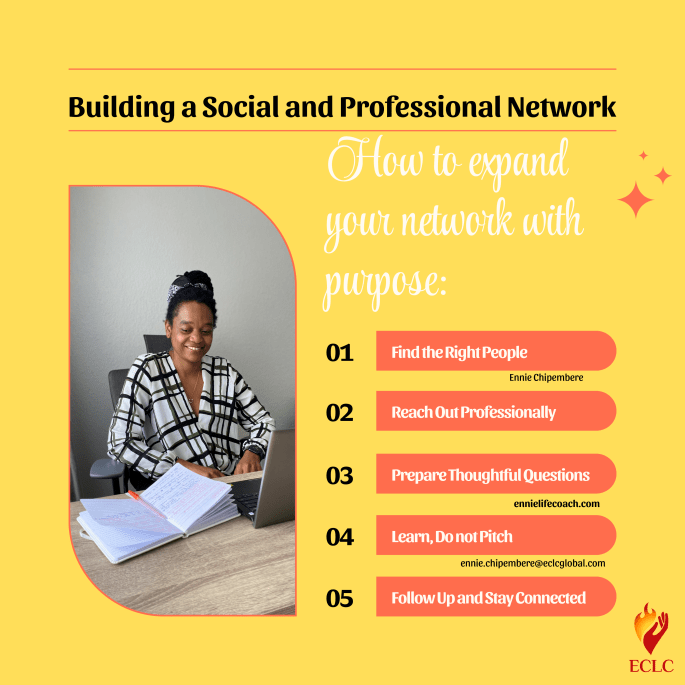
In another blog, I shared some practical tips on “How to Map and Develop Your Social and Professional Network”. Look out for it! 😊.
What is the Value of a Social and Professional Network in Life and Social situations?
The value of SPNs extends beyond just job opportunities. It also includes a wide range of life opportunities that relate to the definition of career outlined in the introductory paragraph. For example, your SPN can connect you with a voluntary board role that will benefit your community, enhances your sense of purpose, gives you access to valuable information, helps you develop valuable skills, expands your connections/network and strengthens your CV/resume.
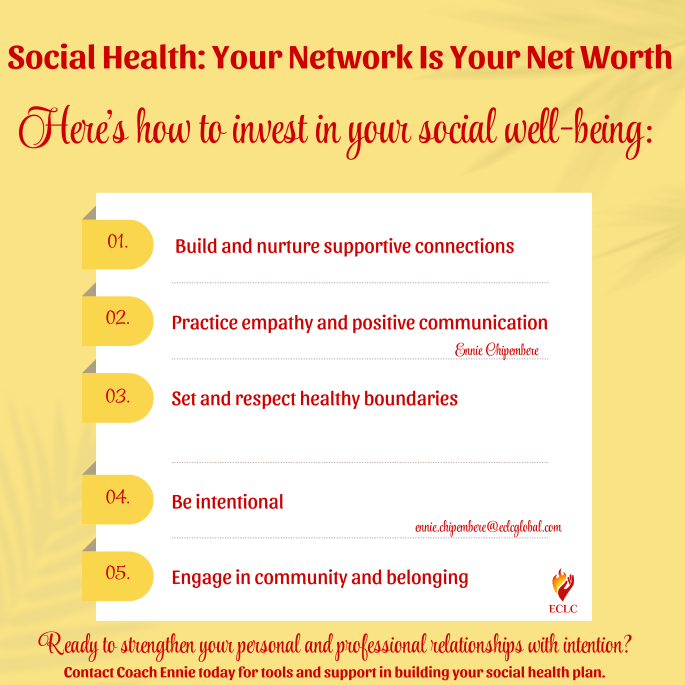
Beyond career advancement, your SPN plays a vital role in fostering meaningful social bonds that are critical for emotional well-being, personal growth, and support. Look out for a blog in which I explore more deeply how social relationships contribute to overall wellness.
As the saying goes: No woman or man is an island – even though we often try to be. 😊
The End!
Next Steps:
If you would like support on how to apply this career information—for career planning, job searching, career progression, or CV/résumé review—whether you are currently employed or not, feel free to get in touch via the email address provided.
You are also welcome to share this work and follow along for more. 😊
 Written by: Ennie Chipembere Chikwema,
Career Coach, NGO Institutional Development Consultant & ECLC Managing Director.
E-mail: ennie.chipembere@eclcglobal.com
LinkedIn Profile: https://za.linkedin.com/in/ennie-chipembere-chikwema-81a30910a
Facebook Page: https://www.facebook.com/EnnieLifeCoach/
X: @EnnieChipembere
Date Published: 06 May 2019
Date Updated: 13 May 2025
Discover more from Empowering Coaching, Learning and Consultancy
Subscribe to get the latest posts sent to your email.

This is very interesting. Networking is something I have always had difficulties with. I like your list of professional network roles. It makes it much clearer for me how a professional network really should work.
LikeLike
Quite an intriguing piece…..there is need to delve more into the mechanics of how one can create or make existing social networks useful or effective in influencing long term career paths. I have often found that there is need for extensive investment in social network relations. For a start you need time and commitment to be available for such social networking. Also in professional networking there is always that lack of a “personal touch” how can that be brought into such types of networking. For example a year ago I was in dire need of some technical guidance in developing a data collection tool to be administered for a project on people that had been internally displaced in a conflict situation. I turned to my professional network, and alas up to this day I am still waiting for a response……
LikeLiked by 1 person
Thank you for this Blog and the live facebook session. i remember sometime last year someone telling me that your career woth is the sum total of your networks…at that point i was not really clear what they meant and because it was an on-board chat, time to seek further clarity was strained. This blog has shedded more light though am still struggling with network members who have exceedingly overlapping roles as well as how i can fully strengthen certain individual members so that the our relationship best suits where i have placed them on my map.
LikeLike